Sunday, April 11, 2021

Another Day, Another Refreshing Drink

https://www.flickr.com/photos/hdptcar/797326075

( I built upon this image )


What is it?

      Would you want to drink contaminated water? Well, A Lot of people don't actually know or understand what water pollution is and that's why I am here to tell you. Water pollution mainly comes around when harmful chemicals or microorganisms contaminate rivers, streams, oceans, lakes, or any other body of water. This usually comes as a result of human activity. The sources mainly come from waste water which comes from domestic/industrial processes, leakage from sewer lines, burning fossil fuels, mining activities, oil pollution, river dumping, marine dumping, radioactive substances, and agriculture pollution. Water contamination is also a big deal, about 2 billion people use a drinking water source that is contaminated and this is a big problem we need to fix.

Consequences

   There are numerous consequences that affect your health from your drinking water if it contains unsafe levels of contaminants. It can cause serious health effects like gastrointestinal illnesses, nervous system or reproductive effects, and chronic diseases like cancer. Some of the waterborne diseases you can also get are Typhoid, Cholera, paratyphoid fever, dysentery jaundice, amoebiasis, and malaria. Chemicals in the water have negative effects on our body’s health. Pesticides usually can damage the nervous system and that's what can cause cancer because of the carbonates and organophosphates that they hold. Waterborne diseases are a big problem coming from water contamination. Why? Well, water borne diseases are illnesses caused by microscopic organisms, like viruses and bacteria, which are ingested through the contaminated water.


What can we do?

       Don't you think water pollution is a big problem? Me too, and well it doesn't matter how old you are you can still help just by doing small things such as, picking up litter and throwing it away in the garbage or recycling bin, blow or sweep fertilizer back onto the grass if it gets into paved areas, mulch or compost grass or yard waste, wash your car or outdoor equipment so it can flow to a gravel or grass area instead of the street, and don't pour your motor oil down the storm drain, take it to the nearest auto part store, its free. Keep your water clean, you can sweep sidewalks and driveways to prevent debris from hard surfaces getting into storm drains, leave an unmowed buffer next to streams and lakes to filter the pollutants that get carried away, flush responsibly by only flushing toilet paper and not pill bottles, medicine, auto fluids, etc., use the trash and not the drain, throw out any fats, grease and especially hygiene products to prevent having clogged pipes.

Solution

        I have been thinking about my solution and my idea is to use a paper filter specifically REEVE Angel paper filters. You basically take a plastic water bottle and cut it as if it was a funnel. Then wrap the filter around the lid and pour your contaminated water through. I have tested three filters: a coffee filter, the REEVE filter and the WHATMAN filter paper. As known the REEVE paper won and that's what I used for my experiment. I have several written papers on how I can create my own paper filters too if that's necessary. Here is a link to a video of me and my partner doing our paper filter experiment.


IMPORTANT: World Water day  ( #Water2Me) is a very important day and is on March 22 and began in 1993. This day means alot to me mostly because of how much we are working on for our environment and one of my favorites is valuing our water source. Which means all water is generated by ecosystems and all of the water we take for human use eventually goes back to the environment with the contaminants they have added. It's amazing how much you can do on this day. 

My Sources!

EPA “Drinking Water” Sep 11, 2018

https://www.epa.gov/report-environment/drinking-water#:~:text=If%20drinking%20water%20contains%20unsafe,chronic%20diseases%20such%20as%20cancer.


Melissa Denchak “ Water pollution, everything you need to know” May 14th, 2018

https://www.nrdc.org/stories/water-pollution-everything-you-need-know


Aria Bendix March 27th, 2020 “Cities with the most contaminated tap water in the US”

https://www.businessinsider.com/cities-worst-tap-water-us-2019-3


Ensia September 15th. 2020 “Across the U.S., millions of people are drinking unsafe water. How can we fix that”

https://www.greatlakesnow.org/2020/09/drinking-unsafe-water-contaminants-solutions/


Pete Duffy Dec 18th, 2019 “6 Ways to prevent water pollution”

https://raleighnc.gov/SupportPages/6-ways-prevent-water-pollution


Government ( i couldn't find date or author) “Keep water clean”

https://www.dec.ny.gov/public/43661.html


“15 proven ways to stop water pollution” July 20, 2017

https://blog.arcadia.com/15-proven-ways-can-reduce-water-pollution/


Sunday, March 28, 2021

Help Promote a Business for Cleaning Plastic


    It is a nice lovely day and you really want to go to the beach and you really want to go for a swim today. You get to the beach and you see that the water is FILLED with plastic! You know that people are working on cleaning the ocean but they haven't gotten to our beach. You get mad and impatient and you wish that you can fix this.

    You actually can fix it! All you have to do is try to help promote the people or businesses that are already getting plastic out of the ocean. One business that is really good called the ocean cleanup (link in bibliography) is trying really hard. You can make a blog or website where it promotes them, you can then buy their recycled plastic so that they get more money to get more plastic out of the ocean. 

    The ocean cleanup puts nets where currents are so that the garbage patches just float right into the nets. A boat comes and empties the net once it is full. They also have a solution to stop garbage from even getting into the ocean. A robot boat called the "interceptor" stops the garbage from leaving rivers, and "intercepts"  it which stops it from even getting into the ocean. Once the boat gets full another boat comes in and takes out the garbage and then makes the plastic into something else and then sells it it (by the way the ocean cleanup is a non profit business.) This is also an example for how you can promote businesses like the ocean cleanup.

    #Water2Me, What does water mean to me? Water means clean water to drink and able to eat because all of the animals use water and we eat them. I also love a bunch of water sports and if there is no useable water then I can't swim or any of that.


                                                                       Bibliography

https://theoceancleanup.com/

https://alansfactoryoutlet.com/7-types-of-plastics-their-toxicity-and-most-commonly-used-for/

By Miles


Water Contamination! Drink it? What do I do?

 Public Service Announcement


Contaminated Drinking Water

 What if your drinking water could cause cancer, would you drink your tap water? There are many infectious microorganisms that may be found in drinking water such as bacteria, viruses, protozoans, pesticides, parasites and more. Which you shouldn’t drink because they can make you sick and some can kill you. By the year 2025 half of the earth’s population will be living in water-stressed places. There're at least 2 billion people in the world with their drinking water that is contaminated with feces. Plastics, pesticides and pathogens go into the list of items that are not safe to drink. People’s water that is contaminated can cause diseases such as diarrhea, cholera, dysentery, typhoid, and polio, just to name a few. Waterborne diseases are illnesses caused by the microorganisms in water that haven't been treated. If every single person on this earth had access to safe and clean drinking water these diseases wouldn’t exist. Things that can cause contaminated water are oil pollution, marine dumping, radioactive substances and your sewer lines leaking and getting in the water. All of the things I just told you could be bacteria, diseases, pathogens and more going into the water. The National Primary Drinking Water Regulations (NPDWR) legally apply standards and some ways to treat your water but you can still help. Treating the water by following standards protects the public health by putting a limit on the contaminant levels of your drinking water. High levels of exposure to PFAS could suppress your immune system and raise the risk of being infected with COVID-19. So what can you do to help?

Consequences

Consequences of contaminated drinking water are countless such as you becoming ill or dying from something in your water. Contaminants in Public Water Systems could lead to outbreaks of multiple illnesses, parasitic infections, compromised immune systems leading to multiple diseases. The water pollution will come from chemicals and microorganisms contaminating creeks, streams, rivers, oceans, lakes and other water bodies. Pesticide normally causes damage to your nervous system, that’s what will cause cancer from the carbamates and organophosphates. If your drinking water holds unsafe qualities of contaminants, which can cause health issues including cancer, gastrointestinal sickness, nervous system or reproductive system. There is a sizable importance for water especially drinking water, the average American will drink 1-2 liters of water a day. In the United States of America our water comes from fresh surface waters and groundwater aquifers.

We Can Help

How do we help prevent drinking water pollution? You can help prevent drinking water contamination by raising awareness, spacing your septic and well away from each other, filtering your water, packing out what you pack in when in nature, and making inventive solutions. If you are flushing things down the toilet that should go in the garbage change that habit. Help make sure debris is not going into the water from sidewalks and your driveways by going out and sweeping it up, compost rather than putting items in the garbage to go to the dump. If you live near water, toss out any fats, grease and definitely hygiene products so they don’t clog pipes and tubes and burst contaminating the body of water. There is a solution that people did when they found out about some of the things in the water for example the LifeStraw, they came up with this idea because at first there were thousands maybe even hundreds of thousands of people who got sick with the guinea worm in Africa. In 2020 it went down to 27 human cases of guinea worm. You drink water with guinea worm larvae in it, the larvae becomes a worm inside of your body and then it comes out of your foot as a guinea worm. This would happen almost every time someone drank the water. If you want to help prevent drinking water contamination it will take inventive ideas and many people helping raise awareness and being proactive. 

My solution

My idea to help prevent drinking contaminated water is a filtration water bottle. It will filter out lead, metal, microorganisms, pesticides, protozoans and other contaminants in the water, so that the water is clean and safe to drink without becoming sick. You will be able to use the water bottle to filter your water in your daily life, when you go on camping trips, hiking, and other places that you need to filter your water. The filter will be made of creped paper. The turbidity level of grade 202 of the reeve angel creped paper filter is 62 NTUs (Nephelometric Turbidity Unit).


Meso Paper

Meso paper is something else that filters water into a cup. Meso paper filters out microorganisms, lead, metal and toxins. It uses natural fiber that is biodegradable, you are able to use it multiple times and it is not harmful. It makes it so that there is safe water, filtering out the contamination. Meso paper is made of bamboo fiber and ceramic. Meso paper is safe because it passed the NSF international safety test. The hole size is 40-50 nanometers. Meso Paper will make water that is unhealthy, clean and safe to drink. 


World Water Day #Water2Me

World water day is on March 22 . There are many ways that we can think about water and how we can appreciate water. I enjoy going to the lake, and going boating because I get to Wakeboard, surf and play on the water. On December 22, 1992 they declared world water day to be on March 22. So ever since 1993 world water day has been on March 22 and that was also the year that world water day started.

My Sources

“Cities with the most contaminated tap water in the US” Aria Bendix Mar. 17, 2020
https://www.businessinsider.com/cities-worst-tap-water-us-2019-3#residents-of-brady-texas-are-worried-about-radium-in-their-water-supply-7

“Across the U.S., millions of people are drinking unsafe water” Lynne Peeples, Great Lakes Now   Sep. 15, 2020
https://www.greatlakesnow.org/2020/09/drinking-unsafe-water-contaminants-solutions/

“Microorganisms that may be found in drinking water” Environmental Health  2021
https://www.mecknc.gov/HealthDepartment/EnvironmentalHealth/GWS/Pages/Learn%20About%20Contaminants.aspx#:~:text=The%20principle%20bacteria%20pathogens%20that,fever%3B%20Shigella%20dysenteriae%2C%20S. 

“Drinking water” World Health Organization  June 14, 2019
https://www.who.int/news-room/fact-sheets/detail/drinking-water#:~:text=785%20million%20people%20lack%20even,water%20source%20contaminated%20with%20faeces.

“Waterborne diseases” Lifewater 2021
https://lifewater.org/blog/7-most-common-waterborne-diseases-and-how-to-prevent-them/#:~:text=Waterborne%20diseases%20are%20illnesses%20caused,these%20diseases%20would%20not%20exist.

“National Primary Drinking Water Regulations” EPA  January 5, 2021
https://www.epa.gov/ground-water-and-drinking-water/national-primary-drinking-water-regulations

“Waterborne diseases and preventing them” CDC April 24, 2019
https://www.cdc.gov/ncezid/dfwed/waterborne/index.html

“Contamination on Public water systems” CDC April 7, 2014
https://www.cdc.gov/healthywater/drinking/public/water_diseases.html

“Contamination affects” EPA  Sep. 11, 2018
https://www.epa.gov/report-environment/drinking-water#:~:text=If%20drinking%20water%20contains%20unsafe,chronic%20diseases%20such%20as%20cancer.

“Guinea worm Information” LifeStraw 
https://www.lifestraw.com/pages/guinea-worm-eradication

“Water pollution” NRDC May 14, 2018
https://www.nrdc.org/stories/water-pollution-everything-you-need-know

"Water filter" Meso Paper 2018
http://mesofilter.com/mesopaper-fact-sheet 
http://mesofilter.com/mesopaper

My Picture

Ildar Sagdejev “Dirty water spilling from a bottle.” Sep. 20, 2008.
Dirty water spilling from a bottle


Here is data from a google form that I did for Sixth Grade to find out information from the people in my grade and what they think. Also to see what they would think of Contaminated water.

By Breanne

Monday, March 22, 2021

PSA - Toxic and Hazardous Waste Water Pollution

Toxic and Hazardous Waste 

A Water Pollution Public Service Announcement


Hazardous waste:
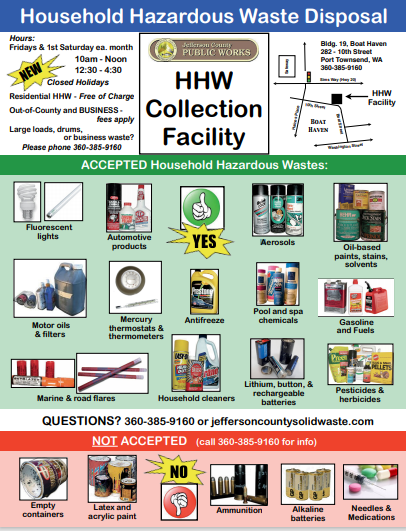
Don't drink poisonous water! Hazardous or toxic waste eventually ends up in our water.  By taking simple steps in recycling toxics and proper disposal methods we can reduce pollution and protect our water systems. Hazardou waste is 
Some examples include pesticides, automotive fluids, fluorescent light bulbs, rechargeable batteries, some household chemicals, mercury, oils, and fuel.

Consequences:
Hazardous waste gets on the ground.  It can contaminate the soil, which could also contaminate the groundwater or nearby surface water.  Many household products, fertilizers, and pesticides contain hazardous chemicals.  These can travel through the soil and contaminate groundwater.  Many consumer products can contain toxic chemicals and in many cases there are less toxic alternatives you can choose from.

Less toxic chemicals are better for your health and safer around your home and family. More toxic chemicals can irritate skin, cause breathing problems, and poison children and pets.

How you can prevent water pollution:
Read and follow signs to conserve or save water, post more signs around your neighborhood, take your toxic wastes to the county dump station, or you could join an earth day volunteer project to help clean up your local area.

The county dump has a hazardous waste disposal program that identifies toxic waste and how to dispose of it. 

Make up signs to post around your community with a message that reminds residents that storm drains dump directly into their local water source, make a poster about ways to save water at home like turning off the water when you're brushing your teeth or only running the dishwasher when you have a full load.

People can choose safer products.  Look for products that have an EPA Safer Choice logo, used to indicate the products that meet US EPA safer product standards.  Products with this label use the safest ingredients, and are just as effective as other similar products.  Products to choose from that can be less toxic include, all-purpose cleaners, bathroom cleaners, degreasers, soaps, and laundry detergents.

What's A Solution:
My solution is to post signs around our local towns and community areas.  Simple reminders will show and tell people of possible  water pollution problems.  Signs telling people how to dispose and recycle waste will reduce pollution in our soils and water systems.  Many signs are available telling people how to conserve water, help not waste water, and stop water pollution.


What I want to do is to share available information about the county's waste program to let people know how to handle toxics and household waste.  I can also make up informative posters out of cardboard or sign poster material.  I would use markers, glue, stickers, and tape to decorate and create colorful information boards. With help communities can learn how to manage solid and hazardous waste.  They can also choose to use less toxic chemicals in the products we use.  By learning proper disposal methods for the everyday household products and using more green practices we can protect our valuable water resources. 

Here is an example of the Jefferson County Solid Waste household hazardous waste disposal flyer.  127862_HHW facility_WEB (wordpress.com)


Sources:
Source Water Protection (SWP). Easy Things You Can Do To Protect Drinking Water Source.
https://www.epa.gov/sourcewaterprotection/easy-things-you-can-do
Cleveland Clinic.  Household Chemical Products and Their Health Risk.
https://my.clevelandclinic.org/health
Washington State Department of Ecology.  Publications and Forms. Wastes and Toxics.
https://ecology.wa.gov
Jefferson County, WA – Solid Waste Program
https://jeffersoncountysolidwaste.com/
Jefferson County Solid Waste. Hazardous Waste Flyer.
https://solidwaste.files.wordpress.com/2020/04/2020-hhw-facility-flyer.pdf

By Charli T

Growing Food Polluting?

 FARMING POLLUTION 

  
What if I told you fertilizing our crops/lawns is hurting our environment? Well, when we fertilize our lawns and crops we can be polluting flowing water. When you fertilize your lawn the water is lifting the fertilizer and carrying the fertilizer into the nearest water source. Then the fertilizer is polluting that water source.


One out of the many water sources affected by farming is the Mississippi River. The Mississippi River is now brown because of all of the pollutions from farming. The turbidity levels of the Mississippi River would be terribly high. The tap water from most Mississippi homes is toxic and isn't safe to drink or use. 
                                                     
I did an experiment to see how we can fix this pollution problem. This slideshow is the process (if you can't see the slideshow below, click here):


Why do you value water? Well, think about it March 22nd is National water day. I value water. My family always hits the water in the summer we water, ski wakeboard, tube and etc. We even have a pool. The time I value water is with my family. That's why water means so much to me. Think about it some of your best memories could be in the water or you could value good drinking water. If you value water why are you helping pollute it? 
#WorldWaterDay #Water2Me
  

We can fix this problem and we will!!! 


Bibliography 


Thursday, March 18, 2021

Oil Spills? Get a Vacuum

 PSA


Oil Spills:

Oil spills happen a lot around the world and it is horrible for the ocean. Oil spills happen when oil tubes explode and the oil from the ocean goes all over. When oil tubes explode they suck the oil out of the ground in the ocean and just keeps going until it gets fixed. Once it gets fixed they have to make sure that it has no cracks and they have to make sure that the machine is still working because it has been smothered in oil. Once they fix it they have to go into deeper parts of the ocean to get animals and clean them off and take them in so they don’t get into more oil.

Consequences:

The consequences are that all the sea life in that ocean dies because they get smothered in oil.

If all of our sea life dies then we can’t have calamari or fish. All the people that get protein from seafood will have to eat the out of the ordinary food (What I mean for out of the ordinary is that it is not normal for “Them”). Seafood is very healthy for us and can give us protein and if we don’t have that source of protein then we will have to eat more of other animals like cows, pigs etc. If we eat more of those animals then we will run out because we have eaten so much that we will not have the time to breed them for more cows. We will just eat them.


How can we help:


Us humans can help by putting types of machines out in the water to clean up the oily water and we could also make the oil tubes stronger so they do not spew out any oil when it blows up. Another way we could help is that we have eyes on the oil tubes 24/7 like scuba divers will go into the ocean and check it all out before setting a camera somewhere and some people watching the video like a security camera. Another way we could make sure that oil spill don’t happen we could protect the tube with more metal, and plastic around it so if the first layer cracks we can still have 2 more layers to break through and the time it would break the other layers we would have it completely fixed up,

My Solution:

My solution is that we put a machine called the (Swasher) and it cleans the oily water like this:We do that except with oil. The machine will have little holes that water can go through but the oil particles will stay in there. The water will be pressed down through the small holes. It will be all the stuff that sea water will only have in it and not oil. Once the water is completely pushed out the oil particles will go into a separate container that sucks it up so the other oil particles will stay in it. This part works like a vacuum: 

Show Your Sources!
Where I learned how a vacuum works and how it is the same as my device is from:https://home.howstuffworks.com/vacuum-cleaner.htm

I got my information about how the oil would be pushed down enough to where it would push the water out and the oil would stay behind:https://www.flickr.com/photos/121935927@N06/13580040284/in/photostream/


How the machine will spray out the water that gets into the oil spot:https://alexanderell.is/posts/check-valve/


By Deken