Thursday, March 30, 2017

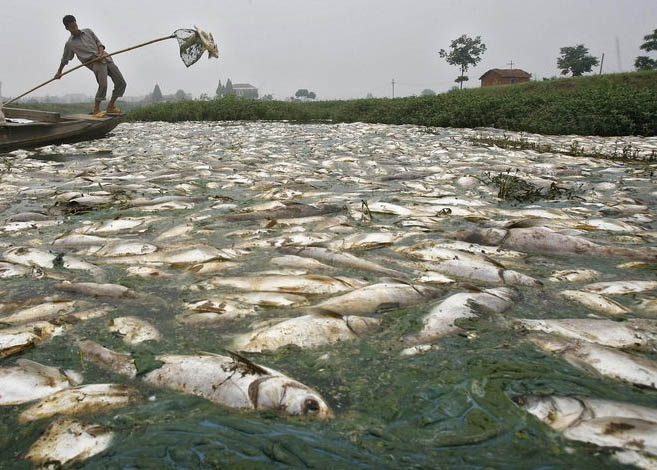
Look at All the Pretty Fishes


Image result for water pollution

 by Diana

There are actually multiple causes of water pollution, (yes there are more than one) that affect surface water, such as sewage and waste water, marine dumping, industrial waste, oil pollution, and global warming. I know that there is more than that but those are the five that I will mention in my PSA because I don't have enough patients to write about them all.


The type of water pollution that would affect the type of water I’m writing about would be surface pollution because I’m talking about river/creeks and oceans which are on the surface of the earth.


One point source of water pollution would have to be sewage plants (they treat raw sewage) when they spill. Like how not too terribly long ago a sewage plant accidentally overflowed polluting a TON of the peninsula and made it so people couldn’t swim or wade in beaches or else the could get sick or under extreme circumstances possibly die, I mean SERIOUSLY PEOPLE! I get it that we had a flood but when you're handling dangerous stuff like that you should be prepared for anything!


From what I have learned one non-point source of pollution would be rain runoff from homes and other places because of the oil from cars with leaks or from accidentally (or on purpose) spilling oil when refilling their oil gauge, which is then transported by the rain water to the ocean or river or anything really!


Our actions actually make a difference in case you didn't know. Like how us spilling oil into the ocean is polluting everything and killing all sorts of animals, sea life, and even coral reefs because the animals drink and even LIVE in the polluted water. The oil also degrades coral reefs, destroying animals homes and not letting them have hiding spots from predators that will then find, kill, and possibly make certain species go extinct causing EVEN MORE problems for us and the environment. To also add to the list of problems most industrial water filters use either oil or natural gas (natural gas is better but still not good) to power themselves warming up the planet essentially destroying the earth on spill at a time.


So, now you may be wondering, “Well what can I do? This is just way too much to handle!” Well it may be too much for one person to handle but just by doing a couple things you can help save the earth (and telling your friends is amazing.) So if you want to help the earth just do these simple things:
1)  don't use your car for every last thing. I mean, you have legs for a reason, ok? Because using your car releases co2 into the air and that's what's warming our planet.


2) recycle. If you don't have a recycling bin use an empty box, my mom and I do! Recycling will help reduce water pollution and not make the great Pacific garbage patch bigger.


3) don't use planes as much. If you can, use your car because planes release a TON of co2 which is way worse than using a car.


Also the reason why releasing co2 is bad is because our ocean is absorbing all the heat, causing ocean acidification causing algae blooms that release a harmful, sometimes fatal toxin, and creating dead zones in the ocean so fish can’t go there.


And those are really the big things that you can do to help our planet.


Links:(dun dun DUN)


Industrial water filters;
"Power Generation." Industrial Water Treatment Systems. Aimad Water Systems, n.d. Web. 29 Mar. 2017. <http://www.industrial-purification.co.uk/power-generation.html>.


Water pollution types;
"The Causes of Water Pollution « Water Pollution Guide." The Causes of Water Pollution « Water Pollution Guide. Water Pollution Guide, n.d. Web. 29 Mar. 2017. <http://www.water-pollution.org.uk/causes.html>.


Water pollution causes;
"Types of Water Pollution « Water Pollution Guide." Types of Water Pollution « Water Pollution Guide. Water Pollution Guide, n.d. Web. 29 Mar. 2017. <http://www.water-pollution.org.uk/types.html>.


What is a point source;
"Indiana Department of Environmental Management." IDEM OWQ: What Is Point Source Pollution? Jin.gov, n.d. Web. 29 Mar. 2017. <http://in.gov/idem/cleanwater/2499.htm>.


What is a non-point source;
"What Is Nonpoint Source?" EPA. Environmental Protection Agency, 28 Nov. 2016. Web. 29 Mar. 2017. <https://www.epa.gov/nps/what-nonpoint-source>.


Other stuff;
Chimacum Middle School, Sixth Grade Science Classroom, Room 410


CHIHUAHUA!!!

Wednesday, March 29, 2017

Deadly Oceans

MariaJozalynConnorPSA.jpg
    
By: Maria, Connor, and Jozalyn


Most people don’t know how much pollution is in the ocean. Did you know that there are 315 billion pounds of plastic in the oceans?! I don’t know about you, but I think that that is A LOT of plastic!


How Pollution Happens


There are many different sources of ocean pollution, ranging from oil spills to rubber duck spills. There is a type of pollution called Ocean Acidification, where the carbon dioxide (CO2) in the air merges with the water to make the water more acidic. Eighty percent of ocean pollution comes from activities on land from nonpoint sources. There are a ton of small sources that count as nonpoint sources, such as boats, and cars. But also there are also big sources like farms and animal ranches. Millions of cars drop a tiny bit of oil each day on the roads, which eventually ends up in the sea. Dirt can also be a pollutant too, when topsoil runs off of construction sites is can end up in the water and hurt the wildlife and fisheries. There is a thing called Point Source pollution which is pollution that comes from one source. Oil and Chemical spills are some point source pollutions. Oil spills into the ocean are often accidents involving barges, tankers, refineries, and drilling rigs. There are other ways oils spill can happen that aren't accidents, like natural disasters such as hurricanes, and spills on purpose as acts of war. One silly yet depressing fact is that 28,800 rubber ducks were spilled into the seas while being transported overseas, and are now floating around in the ocean like it's a big bathtub. As you can see, there are many ways pollution can happen but all are all preventable.


Consequences


If the amount of pollution in the oceans continues to grow, then all of the animals in the ocean could die! (Bum bum baaaaaaa) The plastic breaks down into tiny microscopic pieces that fish and other water creatures eat a ton of. Then, if we eat those water animals, and we will have plastic in us! We have talked about Acidification in “How It Happens”, but what does it do? The more Acidification there is in the ocean it is, the harder it is for shellfish, reefs, and fish to survive. The shellfish won't be able to form their shells because the shellfish are not able to get rid of the calcium ions. Acidification also affects fish because the water has a lower pH. This makes it so the fishes cells take in the carbonic acid to become in balance with the saltwater witch changes the pH of the fish's blood. This can cause comas, seizures, and even death. Oil spills are really bad for the ocean animals because it makes it so that the birds and the sea animals with fir will get hypothermia and most likely die. But what if your a fish? You don’t have fur that keeps you warm. What happens is that the little fish take the oil in and then the bigger fish eat the little  fish and so on till we eat those fish with the oil. If you consume oil you could lose sight, pain in your throat, nose, eyes, ears, lips and tongue and other things like that. There is approximately 706 million gallons of oil in the ocean. When, or if, the oil may reach the shore, it will interact with some of the sediments such as the beach sand and other objects like that. This will cause erosion.


How we Can Help

How can we help reduce water pollution? We can use reusable metal water bottles instead of using the disposable plastic bottles. We can compost your food waste. We can reduce the use of oil one way by driving electric cars more. We can also recycle cans and plastic containers and not put them in the trash. We can rethink our choices of buying food from foreign places or plastic bags because the plastic can get into the oceans and also it takes a lot of oil to get the foreign food here. We could plant trees on land so that the trees could take in some of the carbon dioxide and the ocean won't have as much CO2 that causes Acidification. Instead of using ziplock bags for lunches we can use glass tupperwares, and also so that if you are on the beach you won’t have to worry about the plastic bags flying into the ocean and strangling sea creatures. We can refuse boats that use oil.  Those consequences are true so that why we need to help! Some people think that global warming does not affect them, but they are wrong. Global warming affects everyone and just doing one little thing can make a big difference in our world.

Sources

Wednesday, March 1, 2017

Why We Started This Blog

This blog was started because Chimacum’s 6th-grade class are coming up with great ideas to solve some world problems. For example, one idea is to use static electricity  instead of coal to make electricity. (Look here and here.)


Kids are also using this blog to ask questions that the teacher doesn’t have answers to yet. We want to let you, our readers, know the questions so you can help solve them.
What happens to the Earth, the kids now will have to deal with it in the future. So if we don’t do anything to stop the pollution, wars, and poaching, we will have many more problems when we grow up. And we want you to know what we have to say. 

Leave comments on our ideas so we know people want to follow through. That is why this blog was started.
by Samantha and Zula

https://animoto.com/play/1j0V1LpCDtyZ9ub4dTKpZg

Sunday, June 19, 2016

Deadly Lake

Taken by: Billy Wilson
There has been an antitoxin problem at Anderson Lake. It was discovered in 2006 when two dogs died after drinking the lake water. They suffered seizures and died before their owners could get them to the nearest vet. However, there was a third dog that drank the lake water and didn't die. The dog shared the same symptoms as the others, but managed to get to the vet after having fallen into a coma. The dog made a full recovery and was okay, but how did this deadly antitoxin-a get into Anderson Lake?

The antitoxin-a is produced by Cyanobacteria or Blue green algae when they die. The reason they have made the lake so toxic could be because of nutrient pollution. This pollution is caused by fertilizers that make their way into water and cause algae to over populate. Some of these algae can produce toxins such as the ones in Anderson lake, but others cause oxygen depletion by over populating and using too much of the dissolved oxygen which can make fish and other inhabitants die.

This type of water pollution, sadly, doesn't have any easy fix's it could have been easily avoided had people in the area not used fertilizer there wouldn't be a problem. There are many alternate fertilizers that don't contain these nutrients such as Compost tea, organic fertilizer, or even just the old fashioned way! This Completely keeps the problems from happening. Though if you find this hard remember the seven R's!

Reduce, Reuse, Recycle, Replace, Refuse & reject, Recover, and Rethink. For this type of pollution though, I most recommend Refuse and reject. By refusing and rejecting fertilizers you can stop this type of pollution.


Sources

"How to Make Compost Tea." How to Make Compost Tea. N.p., n.d. Web. 03 May 2016. <https://youtu.be/JP5Aqsd_g3s>

Follow the Rs: Reduce, Replace, Reuse, Recycle, Recover, Refuse and Reject, Rethink (n.d.): n. pag. Web. 3 May 2016. <http://en.envirocitiesmag.com/articles/pdf/waste_management_eng_art2.pdf>

"Anderson Lake Closed after Two Dogs Die." Port Townsend Jefferson County Leader. N.p., n.d. Web. 03 May 2016. <http://www.ptleader.com/news/anderson-lake-closed-after-two-dogs-die/article_f29e9b6c-331e-519c-88fa-71cefb14b26f.html>.

by Caitlyn

Thursday, June 16, 2016

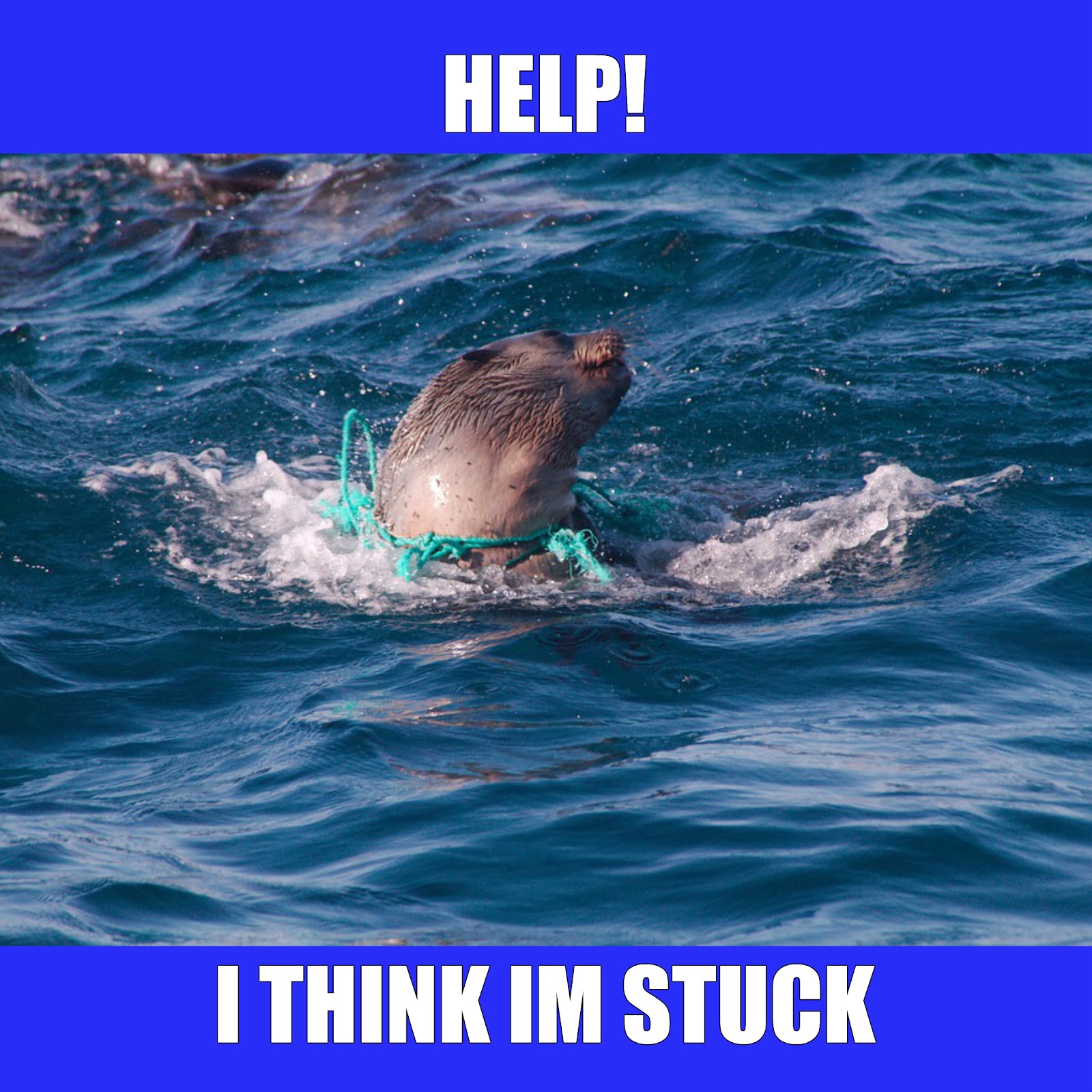
Ocean Pollution Psa and a Bad Meme (and a slight psa on global warming)

https://www.flickr.com/photos/kevinkrejci/

There we go, a bad meme. Now, I'm going to tell you about ocean pollution, oil spills, global warming, and places like the Great Pacific Garbage Dump. Let's start off with global warming. As many of you know, the world is suffering from global warming, meaning that it's getting hotter, which isn't good. An example of what can happen from global warming is more storms, more disasters, and water rising. There is also quite a lot of people saying global warming is a hoax, but to be honest, the people claiming it's a hoax don't really provide very much evidence that or they bring up other topics that seem to be about global warming but isn't at all. So I can't really address that. If you wish to help this then try to figure out a way to use less CO2, like planting trees or using a car less often.

  Now let's start talking about ocean pollution. Unlike the last topic, ocean pollution isn't called a hoax, which is good however that means that people know it's real and bad but don't do anything about it. Ocean pollution is when the ocean is polluted, whether by plastic, trash, chemicals, or oil spills. If somehow you didn't hear of it before and want proof, look at the meme or simply google it. Obviously, ocean pollution is bad because it can do things like killing off sea creatures and the animals that eat those sea creatures, meaning less food for us. And if somehow this helps convince you it's bad, less clean and pretty beaches, I mean imagine swimming in water-filled with plastic, how about chemicals that are bad for you? Or maybe water that just had oil spilled into it. If that still doesn't convince you that it's bad, then maybe you should reconsider a few things. And if it does convince you, then try out cleaning up beaches.

  And now onto our next topic, oil spills. The last paragraph slightly talked about it, though not very much. Oil spills are when, well oil spills into the ocean. This is normally due to fossil fuel mining equipment breaking and the oil going everywhere. And also because of the small droplets of fuel falling from cars and into sewers that lead to the ocean, or other places. This is bad because this can kill animals living in the sea and in some cases, even make them bad to eat. It can also kill the animals eating sea creatures. If you would like to help out with this, try not to drive as often, use a bike or jog if it's nearby and you won't be late, plus it's better for you.

  Onto what's most likely the most famous topic, The Great Pacific Garbage Patch and Other Places Like It. The Great Pacific Garbage Patch and Other Places Like it is caused when people dump garbage out into the ocean either to save money, save space, or just because they're lazy. This can cause animals to suffocate either because something got stuck in their throat o because something wrapped around their neck. In rare cases, the animal will be able to eat it without dying. Still isn't good for them though. Just like global warming The Great Pacific Garbage Patch and Other Places Like it is called a hoax. Although it's not because there isn't proof, it's because it might actually just be a bunch of microscopic plastic. Can't even see it. Either way, it's still bad and therefore, if you wish to help out, use less plastic, clean beaches, recycle, and don't waste food, instead use it as compost. Also, get an aluminum/stainless steel water bottle, it'll be cheaper and better for the world in the long run.


 Sources:
Hanson, Joe. "What Does the 97% Consensus on Man-Made Climate Change Really Mean?" It's Okay To Be Smart. N.p., 25 Apr. 2016. Web. 26 Apr. 2016. <http://www.itsokaytobesmart.com/post/143402650297/97-percent-consensus-climate-change>.   

"Healthy Fish Guide." N.p., n.d. Web. 26 Apr. 2016. <http://www.doh.wa.gov/CommunityandEnvironment/Food/Fish/HealthyFishGuide>.

"NOAA's National Ocean Service Education: Estuaries." NOAA's National Ocean Service Education: Estuaries. N.p., n.d. Web. 26 Apr. 2016. <http://oceanservice.noaa.gov/education/kits/estuaries/media/supp_estuar09b_eutro.html>.

"Water Pollution Guide." Water Pollution Guide. N.p., n.d. Web. 26 Apr. 2016. <http://www.water-pollution.org.uk/>.


*All places with [REDACTED] will have information on a later date. Probably. Hopefully. Eh, don't count on it.

Tuesday, June 7, 2016

Social Media

Image from Wikimedia Commons
Today people rely on social media. They use it to plan things, to make friends, and to spread their opinions across the world. This is, in some cases, a good thing, but in others it's a bad thing. This blog for instance is where we are trying to make a difference and trying to show people how they can do the same. That is a good thing. Another instance is like when someone wants attention and they start to insult people. That is, quite obviously, a bad thing.


You know when you're warned about the internet how it can ruin your life, but it's really not the internet itself, it's the people. I’m not saying there aren’t good, honest people on the internet because there are some good people, but even the people who look and sound really nice can turn evil when they get on Instagram.


In my twelve years of life, I have seen people completely affected in negative ways by what people say to them over these social media. Even if people seem to be your friend as soon as they become anonymous they will say whatever comes to mind. Things like this happening over the internet is called cyberbullying. It has already become a huge problem. People commit suicide because of it and I can't stress enough how important it is to stand up for people when this happens.

The bullies normally won't just have one victim they will often come after multiple people. These people sometimes do this out of jealousy, or out of hatred for the other person(s). In my opinion, I find this stupid! If you are angry with someone go talk to them. I don’t mean go get in a fight with them, I mean don’t be a coward about it. If you can't say it to their face you probably shouldn’t say it over the internet. Another alternative is just ignore the person you're mad at. Like, seriously why go to such extremes if you don’t even have to be near this person?!
by Caitlyn

Tuesday, May 24, 2016

The Problem with Cows

When you think cows there are probably lots of different things you think. For example…. Cows are so cute. Green meadows. Milk. Yummm, hamburgers. But when you think cows do you think pollution??? 

Probably not because cows quite frankly are not that, well, not that scary. And we actually depend a lot on cows. We get meat from them, they give us leather, and most importantly milk!!! But that doesn’t necessarily mean it’s good for the environment. And this type of pollution has a name. It’s called Agricultural Pollution. And cows (but more importantly cow’s poop) play a major role in it. You see cows do this thing called excreting their waste products and when it rains the waste flows with it and drains into lakes, ponds and other bodies of water. 

From Wikipedia

Basically that’s a fancy way of saying when cows use the restroom, the waste flows and goes into a body of water. All that extra nutrients pollutes the water and causes algae blooms that are very toxic and harmful. And it happens a lot, overall the farming business across the world generates over 100 times more manure (cow poop) than human waste. So think about that there are 7 billion people on this planet and sewage and waste water is bad enough, so think about that times 100. That’s how much cows produce. And with more demand for milk, meat and leather it’s only going to get worse. 

Plus with global warming, there will be more and heavier rainfall. And when the cow’s waste pollutes lakes and ponds people won’t have a safe place to fish. About 1 in 7 people rely on the ocean and water to get food, that’s around 1 billion people who could be affected by this.

Not to mention that the waste when it breaks down releases greenhouse gasses into the atmosphere and heats up the planet. An average dairy farm with about 2,500 cows give or take, produces just as much waste as a city with 411,000 people. So next time you're swooning over cows think about this.

Watch this video: The Dangers of Livestock Waste

Womach, Jasper. "Agricultural Pollution." Agricultural Pollution. Wikipedia, n.d. Web. 22 May 2016. <https://en.wikipedia.org/wiki/Agricultural_pollution#Animal_management>.
by Ava